
-
 gold comforter set
In the evolving landscape of home textiles, the bed cover set stands as a cornerstone of bedroom aesthetics and comfort. More than just a functional item, a bed cover set transforms a bedroom into a sanctuary, reflecting personal style while providing essential warmth and hygiene. This in-depth guide explores the intricacies of bed cover set s, from industry trends and technical specifications to
-
 orange lining fabric
Introduction to Advanced Lining Fabrics In industrial and consumer applications alike, the selection of appropriate lining fabrics is paramount for enhancing product longevity, performance, and user experience. Modern textile engineering has led to a diverse range of materials, each tailored for specific functional requirements, from protective barriers to comfort-enhancing layers. Understanding t
-
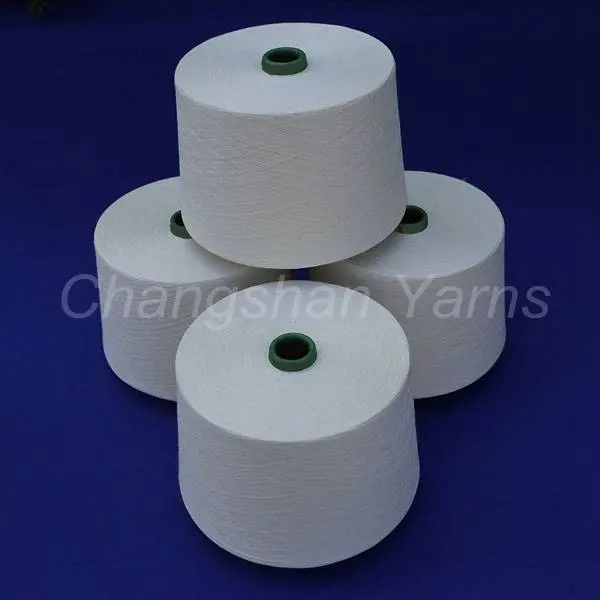
 organic cotton yarn worsted weight
100% cotton bedding sets 4 pieces : insider notes, lab data, and real-world use If you’ve ever woken up clammy under a polyester duvet, you already know why cotton keeps winning. Lately, demand for breathable natural fibers is up—driven by hotels returning to crisp percale and home brands betting on long-staple yarns. I’ve been touring mills in Hebei and along the coast; the story is consistent: c
-
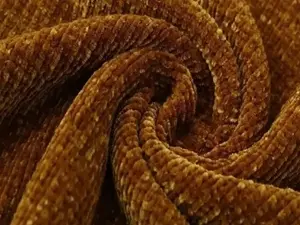 men's underwear fabric types
The Evolution of Workwear Fabric: Trends and Innovations The global demand for high-performance workwear fabric continues to expand, driven by stringent safety regulations, increased focus on worker comfort, and the integration of smart textile technologies. Industries from petrochemical to manufacturing and construction are seeking advanced materials that offer superior protection, durability, an
-
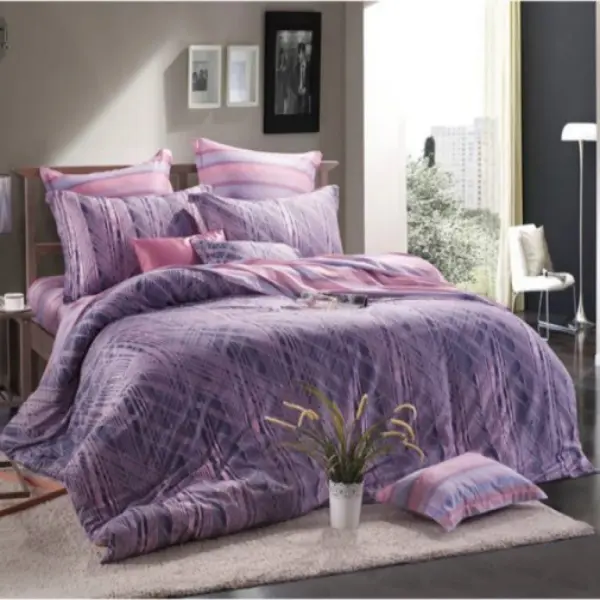
 3 piece comforter set
In the evolving landscape of home textiles, the bed cover set stands as a cornerstone of bedroom aesthetics and comfort. More than just a functional item, a bed cover set transforms a bedroom into a sanctuary, reflecting personal style while providing essential warmth and hygiene. This in-depth guide explores the intricacies of bed cover set s, from industry trends and technical specifications to


rustic comforter sets
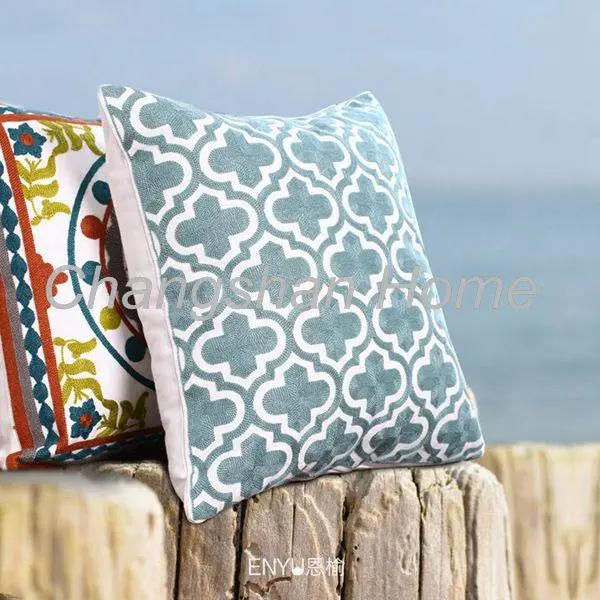
In the evolving landscape of home textiles, the bed cover set stands as a cornerstone of bedroom aesthetics and comfort. More than just a functional item, a bed cover set transforms a bedroom into a sanctuary, reflecting personal style while providing essential warmth and hygiene. This in-depth guide explores the intricacies of bed cover set s, from industry trends and technical specifications to manufacturing excellence and application versatility. We delve into what makes a superior bed cover set , focusing on materials, processes, and the commitment to quality that defines leading manufacturers. Industry Trends and the Evolution of Bed Cover Sets The global market for bed cover set s, encompassing bed linen sets and bed sheet set with comforter , is experiencing significant growth driven by factors such as increasing disposable income, a rising demand for home décor, and a growing emphasis on health and wellness. Consumers are increasingly seeking products that offer not only comfort and durability but also sustainability, hypoallergenic properties, and aesthetic appeal. Key trends shaping this industry include: Sustainable and Eco-Friendly Materials: A shift towards organic cotton, bamboo, Tencel, and recycled polyester, driven by environmental consciousness. Smart Textiles: The integration of temperature-regulating, moisture-wicking, and anti-microbial technologies for enhanced comfort and hygiene. Personalization and Customization: A growing desire for unique designs, specific thread counts, and tailored sizing to match individual preferences and bedroom themes. Health and Wellness Focus: Products designed to minimize allergens, improve sleep quality, and offer therapeutic benefits. Digitalization of Design and Manufacturing: Advanced CAD/CAM systems and 3D printing for rapid prototyping and intricate pattern creation. The market for textile products, including bed cover set s, is projected to continue its upward trajectory, with experts forecasting substantial growth in the coming years. This growth is underpinned by innovation in fabric technology and a strong consumer focus on domestic comfort and luxury. According to a report by Grand View Research, the global home textiles market size was valued at USD 101.4 billion in 2022 and is expected to grow at a compound annual growth rate (CAGR) of 5.5% from 2023 to 2030, driven by increased spending on home renovations and growing consumer awareness about quality and comfort. Technical Parameters and Specifications of Bed Cover Sets Understanding the technical parameters of a bed cover set is crucial for assessing its quality, performance, and longevity. These specifications directly impact comfort, durability, and the overall user experience. Here's a breakdown of key parameters: Material Composition The choice of material fundamentally dictates the feel, breathability, and maintenance requirements of a bed cover set . Common materials include: Cotton: Renowned for its softness, breathability, and durability. Varieties include Egyptian cotton (long staple fibers, extremely soft), Pima cotton (extra-long staple, strong and soft), and Upland cotton (most common, good value). Cotton's natural properties make it highly absorbent and suitable for all seasons. Linen: Derived from the flax plant, linen is highly durable, absorbent, and breathable, offering a distinct rustic texture and excellent temperature regulation. It's known for its longevity and ability to become softer with each wash. Polyester: A synthetic fiber known for its wrinkle resistance, durability, and affordability. Often blended with natural fibers to enhance performance and reduce wrinkling. Microfiber, a common type of polyester, offers a very soft and smooth feel. Bamboo: Naturally hypoallergenic, anti-bacterial, and exceptionally soft, bamboo fabric offers excellent moisture-wicking and thermal regulation, making it ideal for sensitive skin. Tencel (Lyocell): A sustainable fiber made from wood pulp, known for its silky smoothness, breathability, and resistance to wrinkles and shrinkage. It’s often touted for its environmental benefits and luxurious feel. Silk: Luxurious, smooth, and hypoallergenic, silk offers natural temperature regulation and a gentle feel on the skin, reducing friction and beneficial for skin and hair. Blends: Combinations like cotton-polyester offer a balance of natural comfort with enhanced durability and wrinkle resistance. Thread Count (TC) Thread count refers to the number of horizontal and vertical threads per square inch of fabric. While often marketed as the primary indicator of quality, it's one of several factors. Higher thread counts (generally 200-800) typically indicate a softer, denser, and more durable fabric, assuming high-quality long-staple fibers are used. However, excessively high thread counts (e.g., 1000+) can sometimes be misleading if achieved by using multi-ply threads made of lower-quality cotton. For instance, a 400TC single-ply long-staple cotton sheet can feel significantly softer and more durable than an 800TC multi-ply short-staple cotton sheet. Weave Type The weave structure significantly influences the fabric's feel and appearance: Percale: A plain weave, resulting in a crisp, matte finish that feels cool and breathable. Ideal for warmer climates or those who prefer a crisp feel, similar to a high-quality dress shirt. Sateen: A weave that produces a smooth, lustrous, and soft surface with a subtle sheen. It drapes beautifully and feels luxurious, often compared to silk. Twill: Recognizable by its diagonal rib pattern, twill weaves are durable and resist wrinkles, offering a casual yet sturdy feel. Jacquard: Intricate woven patterns, not printed, creating a textured and elaborate design. This weave is often used for decorative elements on bed cover set s. Jersey: A knit fabric, which offers more stretch and a casual, T-shirt like feel. Size and Fit Bed cover set s are available in standard sizes (Twin, Full, Queen, King, California King), but specific dimensions can vary slightly by region and manufacturer. It's crucial to check exact measurements to ensure a proper fit for the mattress and comforter. For example, a US Queen size duvet cover is typically 90x90 inches, while a UK King size is 230x220 cm. Dyeing and Printing Techniques Advanced dyeing and printing methods ensure colorfastness, vibrancy, and design longevity. Reactive dyeing offers excellent color retention as the dye chemically bonds with the fabric fibers. Digital printing allows for intricate, high-resolution patterns with a wide color gamut, and is particularly beneficial for custom designs and reduced water consumption compared to traditional methods. Finishing Treatments Modern textile finishing treatments enhance various properties. Mercerization strengthens cotton fibers and adds luster, while Sanforization (pre-shrinking) minimizes post-wash shrinkage. Anti-pilling, anti-microbial, and moisture-wicking finishes further improve durability, hygiene, and comfort. Product Specifications Table: Common Bed Cover Set Parameters Below is a table summarizing key parameters often considered when purchasing a bed cover set , based on common market offerings and consumer preferences: Parameter Typical Range/Description Impact on Performance Material Type 100% Cotton (Egyptian, Pima, Organic), Linen, Bamboo, Tencel, Microfiber, Silk, Blends Softness, breathability, durability, temperature regulation, hypoallergenic properties, drape, eco-friendliness. Thread Count (TC) 200 TC (Good), 400-600 TC (Premium), 800+ TC (Luxury). Quality of fiber and ply matter more than just number. Denser weave, softer feel, increased durability. Higher TC from long-staple, single-ply yarns offers superior quality. Weave Type Percale, Sateen, Twill, Jacquard, Jersey Texture (crisp vs. silky), sheen, drape, breathability, warmth retention. Dyeing Method Reactive Dyeing, Digital Printing, Yarn-Dyed Colorfastness, vibrancy, pattern clarity, resistance to fading, environmental impact of the process. Finishing Treatment Mercerization, Sanforization, Anti-pilling, Anti-microbial, Easy-care (Wrinkle Resistant) Enhanced strength, reduced shrinkage, improved surface quality, hygiene, reduced maintenance effort. Standard Sizes (US, approx.) Twin (68"x86"), Full/Double (80"x86"), Queen (90"x90"), King (104"x90"), Cali King (108"x96") for Duvet Covers. Corresponding sheet sizes. Ensures proper fit for mattresses and comforters, preventing shifting and bunching. Hypoallergenic Rating Oeko-Tex Standard 100, GOTS certified (Organic), CertiPUR-US (for foam components in comforters) Absence of harmful substances, suitability for sensitive skin/allergies, safety for overall well-being. Care Instructions Machine washable (cold/warm), tumble dry low, iron (optional), do not bleach Ease of maintenance, longevity of the product, preservation of fabric integrity and color. Shrinkage Rate Typically less than 3-5% for pre-shrunk fabrics (e.g., Sanforized) Maintains original size and fit after washing, crucial for product satisfaction. Application Scenarios and Advantages of High-Quality Bed Cover Sets High-quality bed cover set s are not limited to just residential use; their durability, aesthetic appeal, and hygienic properties make them suitable for diverse applications across various industries: Residential Homes: The primary application, enhancing comfort and contributing to interior design. A well-chosen bed cover set can significantly improve sleep quality and serve as the focal point of bedroom décor. They cater to individual preferences for style, color, and texture, from minimalist designs to elaborate patterns. Hospitality Industry: Hotels, resorts, and guesthouses demand durable, easy-to-maintain, and aesthetically pleasing bed linens that withstand frequent industrial washing while maintaining a luxurious feel. Properties often opt for high-thread-count cotton or blends with enhanced stain and wrinkle resistance for superior guest experience and operational efficiency. The longevity of quality linens directly impacts a hotel's operational costs. Healthcare Facilities: While specific medical linens are used in critical care, high-quality, easily cleanable, and hypoallergenic bed sheet set with comforter options can be utilized in non-critical patient areas, rehabilitation centers, or staff quarters. These are crucial for patient comfort, hygiene, and reducing the risk of allergens in a sensitive environment. Anti-microbial treatments are often incorporated. Cruise Ships and Yachts: Requiring robust yet comfortable bedding that can endure a marine environment, limited washing cycles, and constant use. Often favoring wrinkle-resistant, quick-drying materials with good colorfastness to salt water and sunlight exposure. Fire retardancy standards (e.g., IMO FTP Code) are often a requirement. Luxury Apartments and Show Homes: Utilized for staging and furnishing, where visual appeal, a luxurious feel, and brand alignment are paramount to attract potential buyers or tenants. Customization in design and branding is frequently sought after for these high-end presentations. Dormitories and Institutional Housing: While often budget-conscious, institutions increasingly seek durable, easy-care, and comfortable bedding solutions that can withstand heavy use and industrial laundering, ensuring cost-effectiveness over time. The advantages of investing in a premium bed cover set are manifold, providing long-term benefits beyond initial cost: Enhanced Comfort: Superior materials (e.g., long-staple cotton, Tencel) and refined weaves provide a softer, more breathable, and overall more pleasant sleeping experience, directly contributing to improved sleep quality. Durability and Longevity: High-quality fabrics and precision manufacturing processes (e.g., reinforced seams, high-quality dyes) ensure the set withstands years of washing and use without significant wear, pilling, fading, or degradation. This translates to a lower total cost of ownership over time, especially in commercial settings, reducing replacement frequency. Improved Hygiene: Breathable fabrics reduce moisture build-up, inhibiting microbial growth. Many modern sets are also designed to be easily washable at higher temperatures for thorough sanitization, and some incorporate permanent anti-microbial treatments, essential for health-sensitive environments. Aesthetic Appeal: A well-designed bed cover set acts as the focal point of a bedroom, elevating its overall décor and creating a welcoming, luxurious, or stylish ambiance. The texture, color, and pattern contribute significantly to the room's mood. Temperature Regulation: Natural fibers like cotton and linen excel at wicking away moisture and promoting airflow, helping to keep sleepers cool in summer and warm in winter. Advanced synthetic blends can also offer specific cooling or warming properties. Hypoallergenic Properties: Many premium sets are made from naturally hypoallergenic materials (e.g., bamboo, tightly woven cotton) or treated to be resistant to dust mites and other common allergens, beneficial for sensitive individuals and those with respiratory conditions. Environmental Responsibility: Increasingly, high-quality manufacturers are using sustainably sourced materials (organic, recycled) and eco-friendly manufacturing processes, appealing to environmentally conscious consumers and businesses. The Craft Behind Comfort: Manufacturing Process of a Bed Cover Set The creation of a high-quality bed cover set is a meticulous process, involving several stages from raw material to finished product. This journey ensures that each piece meets stringent quality standards for durability, comfort, and aesthetic appeal. While the product example is an Embroidered Cushion Cover, the foundational textile manufacturing processes, particularly in fabric production, dyeing, cutting, and finishing, are directly applicable and highlight the expertise required for any premium textile product, including a bed cover set . Process Flow for a Bed Cover Set The generalized manufacturing process for a textile product like a bed cover set typically follows these steps: Raw Material Sourcing & Preparation: Fiber Selection: High-grade raw fibers (e.g., long-staple cotton, bamboo pulp, flax) are carefully selected based on desired fabric properties (softness, strength, sustainability). For organic products, GOTS-certified fibers are chosen. Cleaning & Carding: Fibers undergo initial cleaning to remove impurities (e.g., seeds, dirt). Carding then combs and aligns the fibers into a parallel arrangement, forming a continuous strand called a 'sliver'. Combing, a more refined process, removes shorter fibers, leading to a smoother, stronger yarn. Yarn Spinning: Spinning: Slivers are drawn out and twisted into yarns of specific counts (thickness, measured in Ne or Denier) and strengths. Modern spinning techniques (e.g., ring spinning for finer, stronger yarns; open-end spinning for bulkier, quicker production) are employed to ensure consistent quality and desired yarn characteristics. Quality Control (QC) Point 1: Yarn strength, uniformity, twist count, and defect analysis (e.g., neps, slubs) are performed using advanced instruments like Uster Testers, adhering to industry standards like ASTM D1578 for yarn tensile properties. Weaving or Knitting: Warping & Sizing: Yarns for the warp (longitudinal) are prepared by winding onto large beams, and often treated with sizing agents to increase strength and reduce friction during weaving. Weaving (for most bed cover sets): Yarns are interlaced on high-speed looms (e.g., air-jet, rapier, projectile looms) to create fabric rolls. This is where the weave type (percale, sateen, twill, jacquard) is determined by the interlacement pattern. Precision looms ensure consistent thread count and minimal defects. Knitting (for some stretchable covers): Interlocking loops of yarn to create a more flexible, soft, and stretchy fabric, such as jersey knit. QC Point 2: Fabric width, weight (GSM – Grams per Square Meter), and initial visual inspection for weaving/knitting defects (e.g., broken threads, uneven tension) are conducted on specialized inspection machines. Pre-treatment & Dyeing/Printing: Singing & Desizing: Fabric surface is singed (briefly exposed to flame) to remove protruding fibers, then desized to remove sizing agents. Scouring & Bleaching: Fabric is thoroughly cleaned to remove natural impurities (oils, waxes) and then bleached to achieve desired whiteness for dyeing or to prepare for vibrant colors. Mercerization (for Cotton): A process that strengthens cotton fibers, increases luster, and improves dye uptake and color vibrancy. Dyeing: Fabric is dyed in large industrial vats using reactive, disperse, or pigment dyes, depending on fiber type and desired colorfastness. This stage involves precise control of temperature, pH, and dye concentration. → [Color Application & Fixation] → Printing: For patterned designs, fabrics undergo screen printing, rotary printing, or advanced digital printing. Digital printing offers high resolution, intricate detail, and reduced environmental impact. QC Point 3: Color consistency (checked with spectrophotometers against approved samples), dye penetration, print registration, and rigorous colorfastness testing (e.g., wash fastness, light fastness, crocking) are performed according to ISO standards (e.g., ISO 105 series for colorfastness) and AATCC methods. Finishing: Softening & Sanforization: Fabrics are treated with softeners for desired hand-feel and sanforized (preshrunk) to minimize shrinkage after washing, adhering to standards like ANSI/AATCC TM135 (Dimensional Changes). Special Treatments: Application of anti-microbial (e.g., silver-ion technology), stain-resistant (e.g., Teflon coatings), flame-retardant (meeting specific fire safety codes like NFPA 701, California TB 117-2013), or moisture-wicking finishes based on product requirements. Shearing & Brushing (Optional): For specific textures, fabrics might be sheared to trim surface fibers or brushed for a softer, loftier feel. QC Point 4: Fabric feel, dimensional stability (shrinkage), and functional performance of special finishes are verified through standardized tests. Cutting & Sewing: Automated Cutting: Large fabric rolls are precision-cut into required shapes and sizes for duvet covers, pillow shams, and sheets using automated CNC cutting machines or laser cutters. This ensures high accuracy, consistency, and minimal material waste. Assembly & Stitching: Cut pieces are expertly sewn together by skilled operators using industrial sewing machines. Seams are reinforced (e.g., double-stitched, French seams) for superior durability, particularly at stress points. → [Precision Assembly & Stitching] → Embellishment (e.g., Embroidery): For products like the Embroidered Cushion Cover, or a luxury bed cover set , intricate embroidery patterns are added at this stage using multi-head embroidery machines. This highlights precision and artistic skill, adding a personalized touch. QC Point 5: Stitching quality (stitch density, broken stitches), seam strength, accurate sizing, and embroidery precision are meticulously checked against design specifications. Inspection & Packaging: Final Inspection: Each finished bed cover set undergoes a comprehensive final inspection for any defects in fabric, stitching, pattern, color, or cleanliness. This often includes human inspection combined with automated optical systems to catch even minor flaws. Products failing inspection are either re-worked or rejected. Labeling: Products are labeled with material composition, care instructions, country of origin, and certification marks (e.g., Oeko-Tex Standard 100, GOTS) as per international regulations (e.g., FTC Textile Fiber Products Identification Act in the US). Packaging: Sets are carefully folded, pressed, and neatly packaged, often in eco-friendly or reusable materials, ready for distribution. Specialized packaging for retail or bulk shipping is arranged. QC Point 6: Overall product appearance, packaging integrity, and adherence to labeling regulations are verified before dispatch. This detailed process ensures that a bed cover set , whether a simple sheet or an elaborately embroidered duvet cover, meets the highest standards for performance and aesthetics. The emphasis on quality control at every stage, from raw fiber to finished product, is paramount to ensure the product's lifespan and user satisfaction, reflecting the high standards upheld in the creation of products like the Embroidered Cushion Cover. Technical Advantages and Manufacturer Comparison Leading manufacturers of bed cover set s distinguish themselves through superior technical advantages and a commitment to innovation. These advantages often translate into higher product performance, better longevity, and a more satisfying user experience. Technical Advantages of Advanced Bed Cover Sets: Advanced Fabric Engineering: Utilization of multi-ply yarns and specialized weaving techniques (e.g., air-jet looms, which offer higher production speed and weave quality) to create fabrics with enhanced strength, reduced pilling, and improved drape. This engineering can also target specific properties like increased breathability for temperature regulation. Precision Dyeing and Finishing: Computer-controlled (CAD/CAM) dyeing processes ensure absolute color consistency batch-to-batch, minimizing variations and metamerism (color appearing differently under different light sources). Advanced finishing treatments like easy-care (wrinkle-resistant using minimal formaldehyde-free resins) and moisture-wicking technologies significantly improve user convenience and comfort, especially crucial for bed sheet set with comforter used in diverse climates. Eco-Friendly Processing: Adoption of low-impact, AZO-free dyes, advanced water recycling systems (reducing water consumption by up to 80% in some processes), and energy-efficient machinery (e.g., heat recovery in drying ovens, LED lighting in facilities) significantly reduces the environmental footprint, aligning with certifications like GOTS (Global Organic Textile Standard) and Bluesign. Durability Through Design: Reinforced stitching (e.g., 8-10 stitches per inch for strength), double-stitched seams, and bar-tack reinforcements at stress points (e.g., zipper ends, buttonholes, corners of duvet covers) extend the product's lifespan. Lab testing confirms these sets can withstand hundreds of wash cycles (e.g., 200+ cycles as per ASTM D3511 for pilling resistance) without significant wear or structural degradation. This directly contributes to a lower total cost of ownership over time. Hypoallergenic & Antimicrobial Treatments: Integration of advanced technologies like silver-ion technology or natural botanical extracts (e.g., chitosan) to inhibit bacterial growth, fungi, and dust mites. This enhances hygiene, reduces odors, and provides a healthier sleep environment, particularly beneficial for individuals with allergies or asthma. These treatments are often tested according to JIS L 1902 or AATCC 100 standards. Smart Fabric Integration: While still emerging, some high-end bed cover set s incorporate Phase-Change Materials (PCMs) embedded in fibers or coatings for active temperature regulation, absorbing and releasing heat to maintain optimal sleep temperature, adapting to body heat to prevent overheating or chilling. Manufacturer Comparison: Driving Factors for Excellence When comparing manufacturers of bed cover set s, several factors highlight their commitment to quality and innovation. This hypothetical comparison illustrates the differences between a standard producer and a premium manufacturer like Changshan Fabric, known for its focus on quality textiles (e.g., Embroidered Cushion Cover, indicating expertise in refined textile products). Feature/Aspect Standard Manufacturer Premium Manufacturer (e.g., Changshan Fabric's approach) Raw Material Sourcing Cost-driven, mixed fiber origins, basic cotton grades (Upland), minimal traceability. Ethically sourced, long-staple premium fibers (e.g., GOTS certified organic cotton, certified Tencel, high-grade linen), full supply chain traceability, rigorous incoming fiber testing (e.g., fiber length, strength, fineness). Manufacturing Process Basic shuttle looms or older rapier looms, conventional batch dyeing, manual/basic automated cutting. Focus on high volume, lower cost. Advanced air-jet looms, computer-controlled continuous reactive dyeing systems, precision automated CNC/laser cutting for complex patterns. Emphasis on lean manufacturing and quality control at every stage (ISO 9001:2015 compliance for processes). Quality Control & Standards Basic visual inspection, random sampling. Compliance with minimal local safety standards. Multi-stage, systematic QC including yarn testing (Uster standards), fabric inspection (4-point system, AATCC, ASTM standards for textiles e.g., for pilling, shrinkage), and final product audit. Adherence to international certifications (e.g., Oeko-Tex Standard 100, REACH compliance, ISO, ANSI, SGS testing). Product Durability & Lifespan Moderate lifespan (e.g., 50-100 washes), potential for significant pilling, fading, and seam failure after relatively few cycles. Extended lifespan, designed for 200-300+ industrial washes while maintaining integrity, color vibrancy, and softness. Resistant to pilling, fading, and shrinkage; demonstrated through internal and third-party lab testing simulating years of use. Finishing Treatments Limited to basic softeners, sometimes chemical finishes for wrinkle resistance without health certifications. Comprehensive and safe advanced finishes: Sanforization (pre-shrunk to <3% shrinkage), anti-microbial (certified effectiveness), moisture-wicking, easy-care (formaldehyde-free), often Oeko-Tex certified. Sustainability Practices Minimal or no specific eco-certifications; higher water/energy consumption, conventional waste disposal. Emphasis on sustainable dyes, extensive water recycling programs, energy-efficient machinery (e.g., solar power integration), waste reduction programs. Oeko-Tex, GOTS, and Bluesign certifications for materials and processes. Annual sustainability reports. Customization Capability Limited design, color, and size options based on existing stock. High MOQs (Minimum Order Quantities). Extensive customization capabilities for weave, color (Pantone matching), intricate pattern design (digital printing), bespoke sizing, and unique branding. Flexible MOQs to accommodate niche markets or boutique clients. Ability to replicate complex designs, similar to the precision required for the Embroidered Cushion Cover. Warranty & Support Standard limited warranty (e.g., 30 days for defects). Basic customer service. Extended warranty (e.g., 2-5 years depending on product and use case), dedicated account managers, comprehensive after-sales service including care guides, troubleshooting, and replacement parts for components (e.g., zippers). Manufacturers like Changshan Fabric, by integrating cutting-edge technology with a deep understanding of textile science, can consistently produce high-performance products that exceed customer expectations. Their expertise in intricate processes, as seen in their Embroidered Cushion Cover, translates directly into the superior quality of a bed cover set , offering a tangible difference in terms of comfort, durability, and long-term value. Customization Solutions for Bed Cover Sets The demand for personalized and unique home textiles has led to significant advancements in customization capabilities for bed cover set s. Whether for individual consumers, boutique hotels, or specialized healthcare facilities, manufacturers now offer extensive options to tailor products to exact specifications. This bespoke approach ensures that every bed cover set is not just a product, but a perfectly integrated component of a larger design or functional requirement. Material Customization: Clients can specify desired fabric blends (e.g., premium cotton-linen for a crisp yet soft feel, bamboo-polyester for enhanced durability and breathability) to achieve specific properties like enhanced softness, natural cooling, durability, or moisture-wicking. Organic and certified sustainable material options (e.g., GOTS certified cotton, OEKO-TEX Standard 100 certified blends) are increasingly popular, allowing clients to align with their environmental and ethical commitments. Thread Count & Weave Customization: Tailoring the thread count (e.g., from a standard 300TC for durability to a luxurious 800TC for exceptional softness) and weave type (percale for crispness and breathability, sateen for a silky, luminous feel, or specialized jacquard weaves for intricate patterns) to match desired hand-feel, aesthetic, and performance characteristics. This allows for fine-tuning the tactile experience of the bed linen sets . Color and Pattern Design: Pantone Matching: Exact color matching to brand guidelines or interior design palettes using globally recognized Pantone reference systems, ensuring brand consistency across all textile products. Custom Printing: Advanced digital printing allows for photo-realistic images, intricate geometric or organic patterns, and precise branding logos directly onto the fabric. This offers unlimited design freedom, is highly flexible for smaller batches, and significantly reduces lead times compared to traditional screen printing. This is particularly valuable for hospitality brands wanting unique branded linens or residential designers seeking exclusive patterns for a bed sheet set with comforter . Custom Weaving: For ultimate exclusivity, specific patterns can be woven directly into the fabric (jacquard weaving), creating a subtle texture and unparalleled durability that cannot be achieved with printing. Custom Embroidery: As exemplified by the Embroidered Cushion Cover , custom embroidery allows for highly detailed and sophisticated designs, monograms, corporate logos, or bespoke artworks to be added to duvet covers, pillow shams, or sheets. This process adds a layer of luxury, personalization, and perceived value, requiring specialized machinery and skilled artisans. Size and Fit: Beyond standard international sizes, manufacturers can produce bespoke dimensions to fit non-standard mattresses, custom-made beds, or unique room layouts (e.g., extra-deep fitted sheets for pillow-top mattresses, specific drop lengths for bed skirts). This includes variations in duvet cover closure types (e.g., hidden button closures, durable zippers, ties) and pillow sham styles (e.g., envelope closures, flange borders). Specialized Treatments: Application of specific functional finishes based on the intended application: Advanced Anti-Microbial Treatments: For healthcare or institutional settings, treatments like silver-ion technology provide long-lasting protection against bacteria, fungi, and odors, adhering to medical standards. Enhanced Stain Resistance: Treatments that make fabrics repel liquids and resist stains (e.g., Scotchgard™ or similar fluorocarbon-free alternatives), prolonging the life and appearance of the bed cover set , especially in high-use environments. Flame Retardancy: Application of finishes that meet specific fire safety codes (e.g., NFPA 701 for textiles in public spaces, British Standard BS 5867) essential for commercial applications like hotels and cruise ships. Cooling/Warming Technologies: Incorporation of Phase-Change Materials (PCMs) or specialized wicking treatments for active temperature regulation, optimizing sleep comfort in varying climates. Packaging & Branding: Customized packaging solutions with private labels, eco-friendly materials (e.g., reusable fabric bags, recycled cardboard), and unique branding elements (e.g., custom inserts, hang tags, branded ribbons, or embroidered logos on packaging) to reinforce brand identity and enhance the unboxing experience. This is crucial for premium brands looking to differentiate in the market. Working with a manufacturer that offers robust customization capabilities ensures that the final bed cover set perfectly aligns with specific functional requirements, aesthetic preferences, and budget constraints. This approach minimizes waste, enhances product differentiation, and maximizes customer satisfaction by delivering a product that is truly "made for you," built to exact specifications and high quality standards. Real-World Application Cases and Client Success Stories The impact of high-quality bed cover set s is best demonstrated through their successful applicati
-
Manufacturing Bases
0
-
Spindles
0
-
Years Of Experience
0
-
Factory Scale
0

Feel Free To Contact Us
Want To Know More?
We focus on high-quality customization of home textiles, combining fashionable design with durable craftsmanship to add comfort and style to your home life.
Contact Us
-
Why is the dispersion dyeing fastness poor?
2026-04-02 07:26https://www.changshanfabric.com/images/c999674a-9381.webp
-

Soft Arm Knitting Yarn for Giant Blankets - Easy & Quick!
2026-04-02 06:42https://www.changshanfabric.com/images/auto/changshanfabric-bleached-yarn-1.webp
-
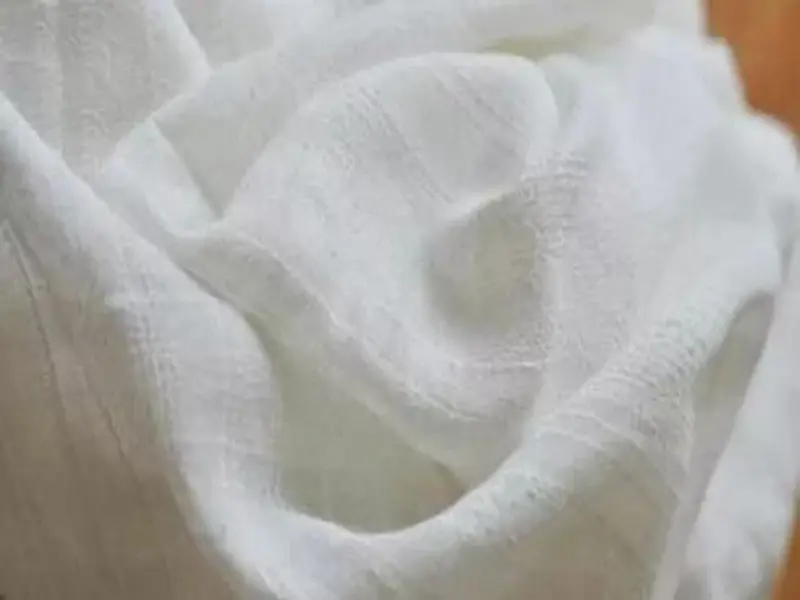
Recycled Polyester Yarn-Hebei Henghe Bangxing New Material Co., Ltd.|Sustainable Textile Solutions,Industrial Performance
2026-04-02 05:43https://www.changshanfabric.com/images/auto/5Li75Zu-MTMuanB.webp

 Skin-friendly
 Versatile
 Durable
 Assured
-
Navigation
-
Main products
-
Navigation
-
Contact Us
 kewin.lee@changshanfabric.com

Room 1503, 15th Floor, Tianli Business Building, No. 34 Guang'an Street, Chang'an District, Shijiazhuang, Hebei
Copyright © 2025 Hebei Henghe Bangxing New Material Co., Ltd. All Rights Reserved. Privacy Policy